PROJECT SPHERE

ONE HEALTH SURVEILLANCE • MALAYSIA

Project SPHERE

Surveillance of Parasitic Helminths with Zoonotic Potential in Environments of Human–Primate Interaction: Risk and Exposure

Integrating molecular surveillance, macaque ecology and environmental evidence to investigate overlooked parasite risks at human–primate interfaces.

ONEHEALTH

HUMAN × ANIMAL × ENVIRONMENT

ONE HEALTH INTERSECTION EXPLORER

Navigate the system,
not only the disease.

Select a domain to explore risks, threats and Project SPHERE evidence streams.

ONE
HEALTH

01 • HUMAN HEALTH

Health begins with lived environments.

Daily connections with forests, soil, water and wildlife can shape exposure. Project SPHERE approaches communities as research partners and interprets molecular findings alongside lived context.

Risks and threats

  • Barefoot or occupational soil contact
  • Nonspecific or asymptomatic infection
  • Limited access to species-level diagnostics

SPHERE focus

  • Archived human stool screening
  • Equitable risk communication
  • Community-context interpretation

TARGET MACAQUE SPECIES

Endangered, familiar and often misunderstood.

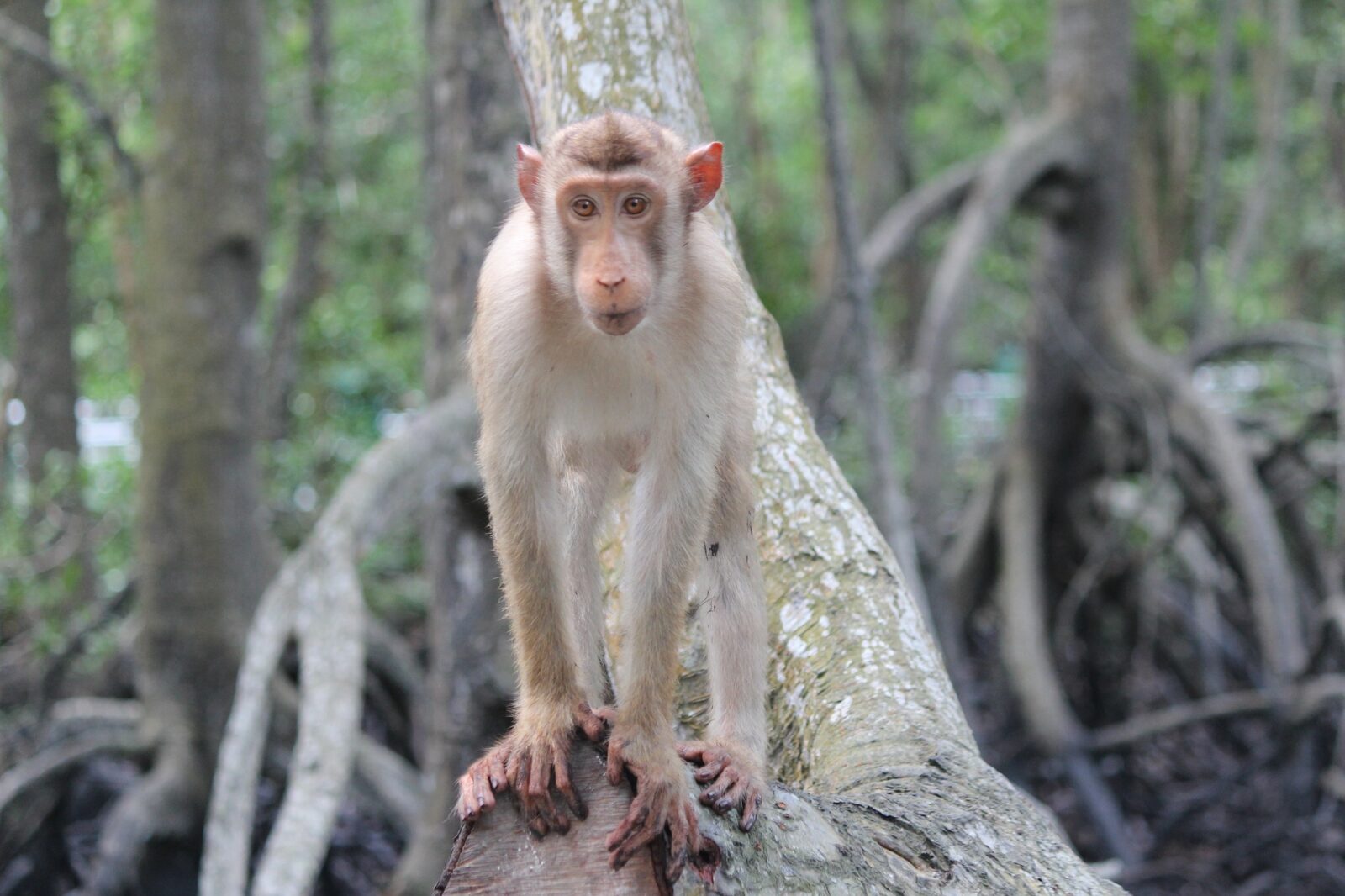
Macaques belong to the genus Macaca and share characteristics including cheek pouches. Their ecology and conservation pressures shape how molecular detections should be interpreted.

Southern pig-tailed macaque reference photograph 1

SPECIES PROFILE

Southern pig-tailed macaque

Macaca nemestrina

IUCN RED LIST
ENDANGERED (EN) ↗
Habitat
Lowland primary and secondary forest, coastal, swamp and montane forest; especially adapted to lowland and hill dipterocarp forest. It may also use agricultural mosaics near forest edges.
Distribution and locality
Native to Brunei, Indonesia, Malaysia and southern Thailand, including Peninsular Malaysia, Sabah and Sarawak.

Principal threats

  • Rapid forest loss, degradation and fragmentation
  • Conversion to oil palm and other agricultural land uses
  • Hunting, persecution and retaliatory killing
  • Capture for pets, entertainment and working-primate practices

CONSERVATION AND AWARENESS

Respect their nature.

International Macaque Week highlights macaque conservation, welfare and the challenges these primates face in the wild and in human environments.

Explore International Macaque Week ↗

DISEASE AND EXPOSURE

From contaminated environments to diagnostic evidence.

Project SPHERE focuses on soil-transmitted helminths with zoonotic potential at human-primate shared landscapes.

WHO: Soil-transmitted helminth infections ↗
01◌

Environmental stage

Eggs or larvae reach soil and may persist under suitable conditions.

02⌇

Exposure pathway

Contact with contaminated soil, surfaces or faecal material.

03◇

Host infection

Infection may be asymptomatic or clinically nonspecific.

04⌬

Diagnostic gap

Low or intermittent output can limit conventional examination.

ON-PAGE PARASITE PROFILE

Strongyloidiasis caused by Strongyloides spp. (threadworm)

The principal human agent is S. stercoralis. The non-human-primate-associated zoonotic form is S. fuelleborni subsp. fuelleborni; humans are currently the only known host of S. fuelleborni subsp. kellyi.

Transmission

Infective larvae in contaminated soil can penetrate skin. S. stercoralis can persist through autoinfection.

Health effects

Infection may be asymptomatic or produce gastrointestinal, respiratory and skin manifestations. Severe S. stercoralis disease can occur during immunosuppression.

Diagnostic challenge

Low and intermittent larval output can reduce the sensitivity of a single stool examination. Species-level molecular evidence is important for interpretation.

One Health interpretation

Shared detection is contextual evidence. It does not alone demonstrate transmission between humans, macaques and environments.

CDC DPDx parasite profile ↗

RESEARCH ARCHITECTURE

Three evidence streams,
one interpretation.

FIELD • 01

Interface sampling

Archived human stool, non-invasive macaque faeces, paired soil and contextual metadata.

LAB • 02

Molecular surveillance

Singleplex optimisation followed by multiplex qPCR, quality controls and sequence confirmation where appropriate.

ANALYSIS • 03

One Health integration

Host, ecological and anthropogenic variables assessed without assuming transmission.

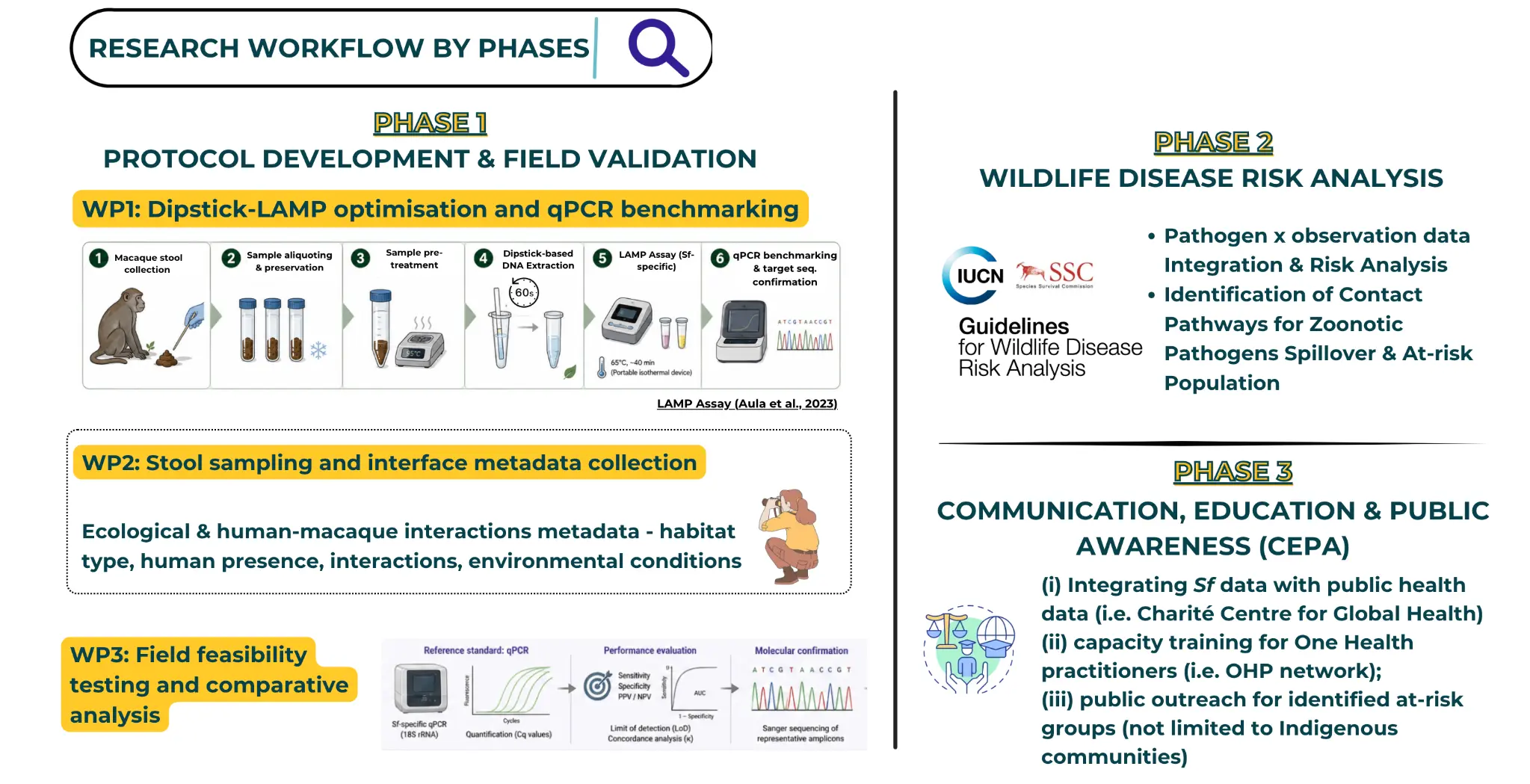
PROJECT WORKFLOW

Project SPHERE workflow showing protocol development and field validation, wildlife disease risk analysis, and communication, education and public awareness phases
Project workflow by phases: diagnostic development and field validation, wildlife disease risk analysis, and communication, education and public awareness.

MALAYSIA × GERMANY

A collaborative doctoral project.

Connecting molecular medicine, primate behavioural ecology, biodiversity research and conservation across institutions.

CORE COLLABORATION

Leipzig University × Universiti Sains Malaysia

With academic and conservation collaborators contributing complementary molecular, ecological and local expertise.

LIVING RESPONSIBLY WITH MACAQUES

What would you do?

Explore decisions that influence macaque welfare, human safety, conservation and parasite exposure. Learn more about coexisting safely with macaques ↗

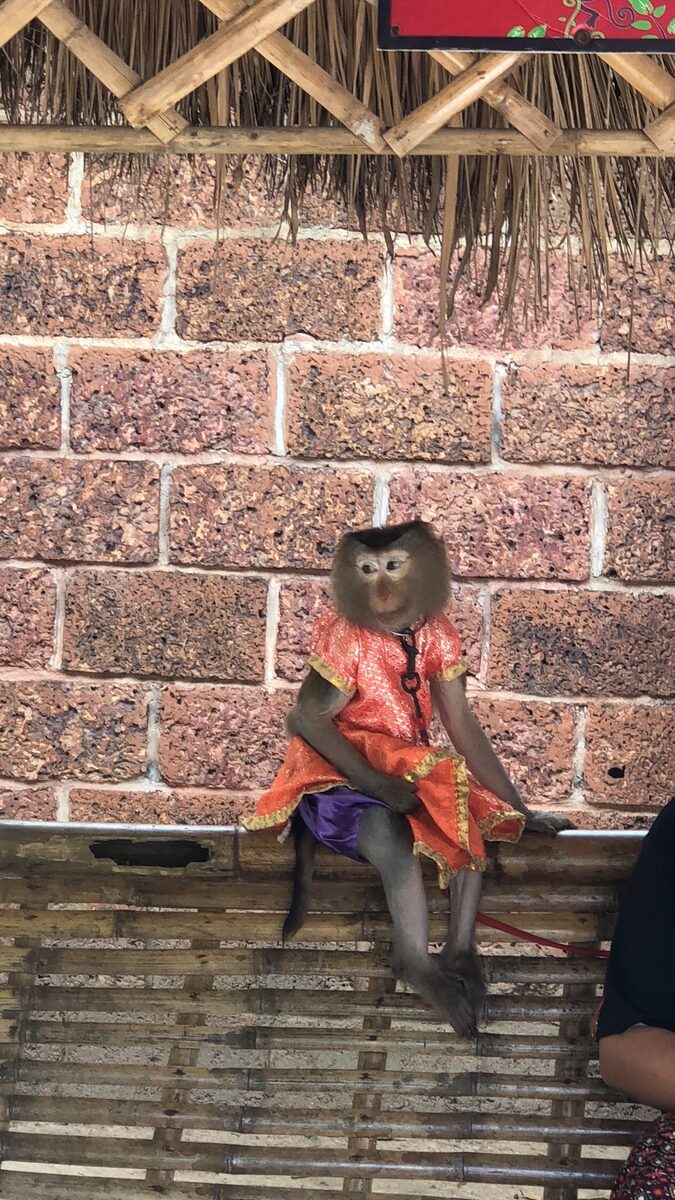
A macaque dressed and restrained for tourist photographs

CHOOSE YOUR RESPONSE

A wildlife attraction offers a close-up photograph while a macaque is dressed, handled or restrained.

01

Observe, do not interact

Maintain distance. Do not touch, chase, restrain or use macaques as photograph props.

02

Secure food and waste

Never feed macaques. Keep food out of sight and support macaque-resistant waste systems.

03

Reject harmful captivity

Do not buy primates or support attractions involving handling and forced close contact.

04

Reduce parasite exposure

Avoid faeces and visibly contaminated soil, use footwear and wash hands after outdoor activities.